
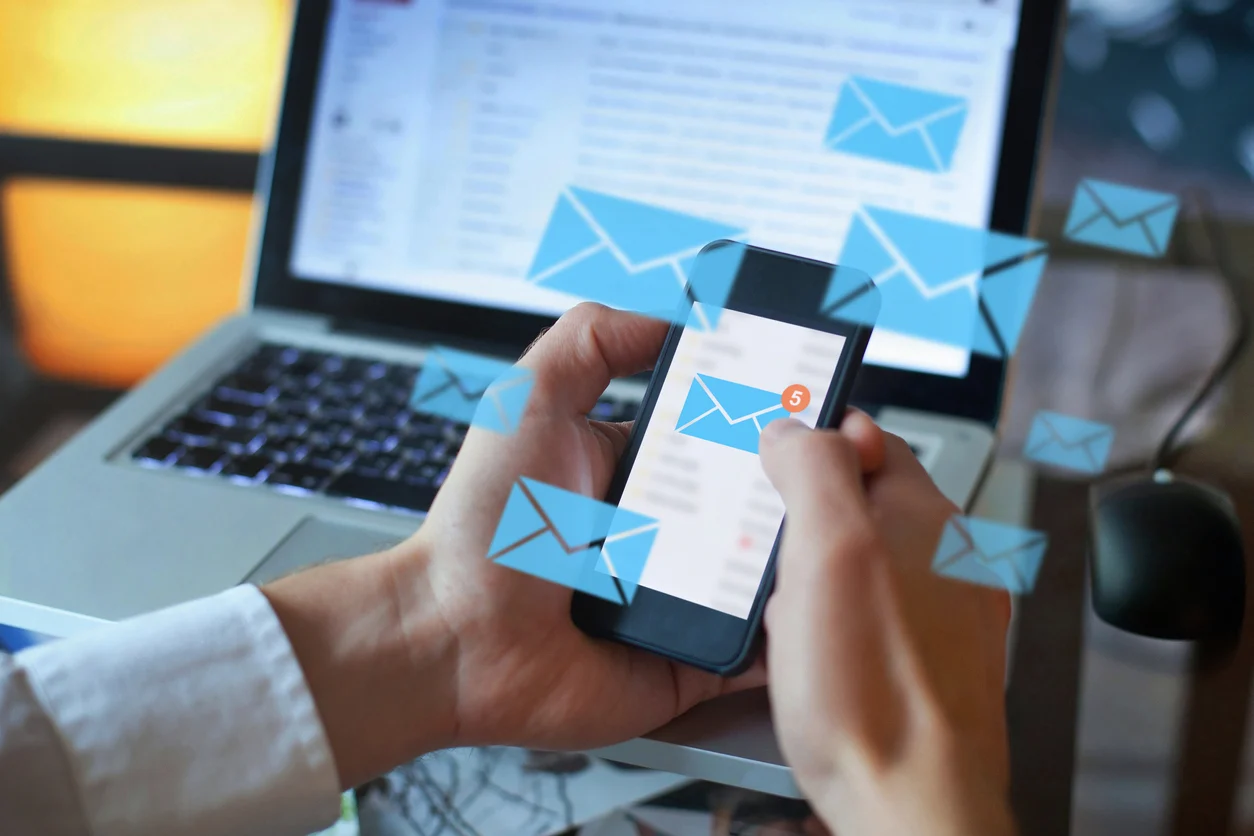
Email marketing is one of the most underrated but highest ROI systems in e-commerce. Most beginners focus only on ads and social media traffic, but real profit in dropshipping and e-commerce does not come from the first sale — it comes from repeat customers. Email marketing is the system that turns one-time buyers into long-term revenue.
In modern e-commerce, traffic is expensive. If you only rely on paid ads or viral content, your business will always depend on constant new traffic. Email marketing solves this problem by allowing you to directly reach customers without paying for ads every time.
A strong email system can increase profit margins, improve customer lifetime value, and stabilize your business during slow ad performance periods.
Why Email Marketing is Critical for E-commerce
When a customer visits your store but does not buy, they are not lost forever. Similarly, when someone buys once, they still have potential to buy again. Email marketing allows you to stay connected with both groups.
Unlike social media platforms, email is not controlled by algorithms. You own your email list, which makes it one of the most stable business assets.
Email marketing is powerful because it works at every stage of the customer journey: awareness, consideration, purchase, and retention.
It is not just about sending promotions — it is about building a relationship with your audience.
Building Your Email List the Right Way
The first step in email marketing is building a quality list. A large but irrelevant list has no value. The focus should always be on targeted customers who are actually interested in your niche.
The most effective way to collect emails is through your Shopify store. Pop-ups offering discounts, free shipping, or exclusive deals are commonly used to encourage sign-ups.
Another method is exit-intent offers, where visitors are given a reason to stay or subscribe before leaving the site.
High-quality email lists are built from real customers and engaged visitors, not random traffic.
Email Funnel Strategy for E-commerce
A successful email system is not a single email — it is a structured funnel.
The funnel usually starts with a welcome sequence. This is sent when someone first subscribes or makes a purchase. The purpose is to introduce your brand and build trust.
Next comes the conversion sequence. These emails are designed to turn subscribers into buyers using storytelling, benefits, and limited-time offers.
Finally, there is the retention sequence. This focuses on keeping existing customers engaged and encouraging repeat purchases.
Each stage of the funnel has a different purpose, but all work together to increase revenue.
Welcome Email Sequence (First Impression Strategy)
The welcome email is one of the most important emails in your entire system. It sets the tone for your brand.
A strong welcome email does three things: it introduces your brand, delivers value, and sets expectations.
Instead of immediately pushing sales, it should first build trust. Customers should understand what your brand stands for and what kind of products they can expect.
This is where storytelling becomes important. Brands that communicate their purpose clearly perform better in long-term retention.
Conversion Emails (Turning Subscribers into Buyers)
Once trust is built, the next step is conversion. These emails focus on encouraging purchases without being overly aggressive.
Effective conversion emails use psychological triggers like urgency, scarcity, and social proof.
Instead of directly saying “buy now,” advanced marketers use storytelling and problem-solving approaches.
For example, instead of promoting a product directly, the email might highlight a common problem and then introduce the product as a solution.
This makes the message feel more natural and less like an advertisement.
Abandoned Cart Email Strategy
One of the highest revenue-generating email systems is abandoned cart recovery.
Many customers add products to their cart but leave without completing purchase. This is not lost traffic — it is warm intent traffic.
Abandoned cart emails remind customers about their unfinished purchase and encourage them to return.
A strong abandoned cart sequence includes reminders, benefits of the product, and sometimes small incentives like discounts or free shipping.
Even simple email reminders can recover a significant percentage of lost sales.
Retention Emails (Repeat Sales Strategy)
Most beginners focus only on acquiring new customers, but advanced e-commerce businesses focus heavily on retention.
Retention emails are sent after purchase to encourage repeat buying.
These emails can include product care tips, usage guides, or complementary product suggestions.
The goal is to keep the customer engaged with your brand even after the purchase is complete.
Repeat customers are more profitable because they do not require additional ad spend.
Email Copywriting Psychology
Email marketing is not just about sending messages — it is about writing persuasive content.
Strong email copy uses emotional triggers rather than technical explanations.
People respond to stories, benefits, and transformation rather than specifications.
Good email copy is simple, conversational, and focused on the reader’s problem.
The subject line is especially important because it determines whether the email gets opened or ignored.
Automation in Email Marketing
Modern e-commerce relies heavily on automation. Instead of manually sending emails, automated systems handle the entire flow.
Once set up, email sequences run automatically based on customer behavior.
For example, a new subscriber automatically enters a welcome sequence, while a buyer enters a post-purchase sequence.
Automation ensures consistency and saves time while maximizing revenue opportunities.
Common Mistakes in Email Marketing
One of the biggest mistakes is sending too many promotional emails. This leads to unsubscribes and reduces trust.
Another mistake is not segmenting the audience. Customers and subscribers should not receive the same messages.
Some brands also fail to provide value and only focus on selling. This reduces engagement over time.
Inconsistent email sending is another major issue. Email marketing works best when it is structured and consistent.
Final Thoughts
Email marketing is one of the most powerful profit-scaling systems in e-commerce. While ads bring traffic, email marketing turns that traffic into long-term revenue.
A well-structured email system increases conversions, improves customer retention, and stabilizes business income.
Successful e-commerce brands do not rely only on ads or viral traffic — they build systems. Email marketing is one of the most important systems for long-term growth.
When implemented correctly, it transforms a dropshipping store into a real brand with repeat customers and predictable income.
FAQ (Frequently Asked Questions)
- Is email marketing still effective for dropshipping?
Yes, email marketing is one of the highest ROI strategies for e-commerce and remains extremely effective.
- How do I start building an email list?
You can build an email list using pop-ups, discounts, exit offers, and customer purchases on your store.
- How many emails should I send per week?
It depends on your strategy, but balance is important. Too many emails can lead to unsubscribes.
- What is the most important type of email?
Welcome emails and abandoned cart emails are the most important for conversions.
- Do I need tools for email marketing automation?
Yes, tools like Klaviyo or similar platforms help automate email sequences and improve efficiency.