
Building a 6-figure e-commerce brand is not about finding one viral product or running a few ads. That approach might create short-term sales, but it rarely builds a stable business. Real success in modern e-commerce comes from building a brand system that consistently attracts customers, converts traffic, and generates repeat revenue.
A 6-figure brand is built on structure, not luck. It combines product strategy, branding, marketing systems, customer psychology, and scaling methods into one ecosystem. When these parts work together, the business becomes predictable and scalable.
Understanding What a Real E-commerce Brand Is
Most beginners confuse a dropshipping store with a brand. A store is simply a platform that sells products. A brand, however, creates identity, trust, and emotional connection with customers.
A real e-commerce brand does not compete only on price. It competes on perception, experience, and loyalty.
Customers remember brands, not random product pages. This is why successful businesses invest heavily in branding even before scaling ads.
A strong brand answers three questions in the customer’s mind:
- Who are you?
- Why should I trust you?
- Why should I buy from you instead of others?
If these answers are unclear, scaling becomes difficult.
Choosing the Right Foundation: Niche and Positioning
The first step in building a 6-figure brand is selecting the right niche. A niche is not just a product category — it is a focused market with specific needs.
Strong niches include beauty, fitness, home improvement, pet care, gadgets, and lifestyle solutions. These niches work because they solve daily problems and have repeat demand.
However, niche alone is not enough. Positioning is what separates winners from average stores.
Positioning defines how your brand is perceived. For example, two stores can sell the same product, but one positions itself as premium while the other positions itself as budget-friendly. Both can succeed if targeting is clear.
Building a Strong Brand Identity
Brand identity includes your name, logo, colors, tone, and messaging style. These elements create the first impression of your business.
A strong brand name is simple, memorable, and relevant to the niche. It should not sound like a random dropshipping store.
Visual identity must be consistent across your store, ads, and social media. Consistency builds trust over time.
The brand tone is also important. Some brands are professional, while others are casual or emotional. The tone should match your target audience.
Product Strategy for Scalable Brands
In a 6-figure strategy, product selection is not random. It follows a structured approach.
Instead of focusing on one viral product, successful brands build product ecosystems. This means multiple related products that serve the same audience.
For example, a fitness brand does not rely on one item. It can offer multiple accessories, tools, or solutions for fitness problems.
This increases average order value and customer lifetime value.
Winning products usually solve a problem, create transformation, or improve convenience. Emotional appeal is always stronger than technical features.
Marketing System: Traffic is the Engine
No brand grows without traffic. In modern e-commerce, traffic comes from three main systems: paid ads, organic content, and SEO.
Paid ads provide fast results but require testing and optimization. Organic content builds long-term visibility without spending money. SEO brings consistent search traffic over time.
A strong brand does not rely on one channel. It builds multiple traffic sources to reduce risk.
The key is not just getting traffic but attracting the right audience. Random traffic does not convert well.
Conversion System: Turning Visitors into Buyers
Traffic alone does not create revenue. Conversion is where money is made.
A high-converting system focuses on trust, clarity, and emotional engagement.
Trust is built through reviews, branding, and professional design. Customers must feel safe before buying.
Clarity ensures the product is easy to understand. If visitors are confused, they leave.
Emotional engagement creates desire. People buy when they feel a product improves their life.
A strong product page combines storytelling, visuals, and social proof.
Scaling Strategy for 6-Figure Growth
Scaling is where most businesses either grow or fail. Many beginners increase ad spend too quickly without structure.
Successful scaling follows a controlled process.
First, winning products are identified through testing. Then budgets are increased gradually.
Next, new creatives and angles are introduced to avoid ad fatigue.
Finally, profits are reinvested into marketing and expansion.
Scaling is not about doing more — it is about doing more of what already works.
Customer Retention and Lifetime Value
A 6-figure brand does not rely on one-time customers. It builds repeat buyers.
Retention strategies include email marketing, post-purchase engagement, and loyalty incentives.
Returning customers are more profitable because they require no additional ad cost.
This is why brands focus heavily on customer experience after purchase.
Common Mistakes That Prevent Scaling
Most beginners fail because they focus only on products instead of systems.
One common mistake is relying on a single traffic source. If ads stop working, the business collapses.
Another mistake is poor branding. Without identity, customers do not trust the store.
Many also quit too early before testing enough data.
Scaling requires patience, testing, and structured improvement.
Final Thoughts
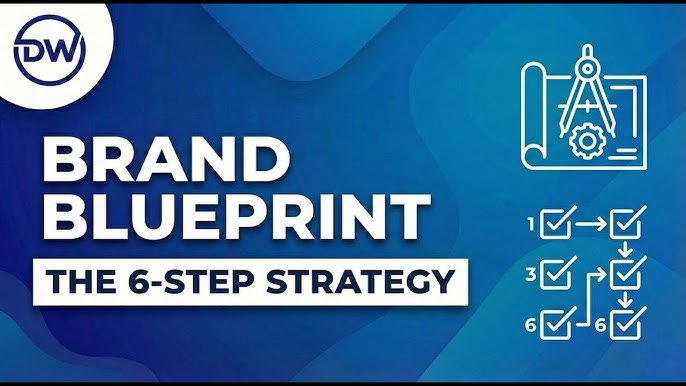
A 6-figure e-commerce brand is not built through shortcuts. It is built through systems that work together: niche selection, branding, product strategy, marketing, conversion optimization, and scaling.
When all these elements are aligned, the business becomes stable and predictable.
The difference between a failing store and a successful brand is not luck — it is structure and consistency.
E-commerce success comes from building long-term systems, not chasing short-term wins.
FAQ (Frequently Asked Questions)
1. How long does it take to build a 6-figure e-commerce brand?
It depends on strategy and execution. Some stores take months, others take longer, depending on consistency and optimization.
2. Do I need multiple products or just one?
Successful brands usually expand into multiple related products instead of relying on a single item.
3. Is dropshipping still good for building a brand?
Yes, but only when treated as a brand-building model, not a quick-profit method.
4. What is the most important factor in scaling?
Consistency in testing ads, improving conversion rates, and reinvesting profits.
5. Why do most e-commerce stores fail before scaling?
Because they lack branding, rely on one traffic source, and do not build proper systems.