
A Shopify store is not just a website—it is a conversion machine. Most beginners focus on colors, logos, and design effects, but ignore the real purpose of a store: turning visitors into buyers. A high-converting store is built using psychology, structure, and clarity, not decoration.
In modern e-commerce, the difference between a 1% and 5% conversion rate is not traffic—it is store structure. This blueprint explains exactly how advanced stores are designed for maximum conversions.
Store Structure: The Conversion Flow System
Every successful Shopify store follows a psychological flow. A visitor should move from curiosity → interest → trust → purchase without confusion.
A high-converting structure includes:
Homepage → Product Discovery → Product Page → Checkout → Confirmation
Each step must guide the customer smoothly. If there is friction at any point, sales drop immediately.
The goal is simple: reduce thinking and increase buying confidence.
Homepage Design (First Impression Strategy)
The homepage is the first trust checkpoint. Within 3–5 seconds, the visitor decides whether to stay or leave.
A strong homepage includes:
Clear brand identity at the top
A strong hero section showing the main product or benefit
Simple messaging that explains what you sell
Social proof (reviews, ratings, customer images)
Featured products section
Avoid clutter, animations, or unnecessary distractions.
The homepage should answer one question instantly: “What does this brand offer me?”
Product Page Optimization (Where Sales Happen)
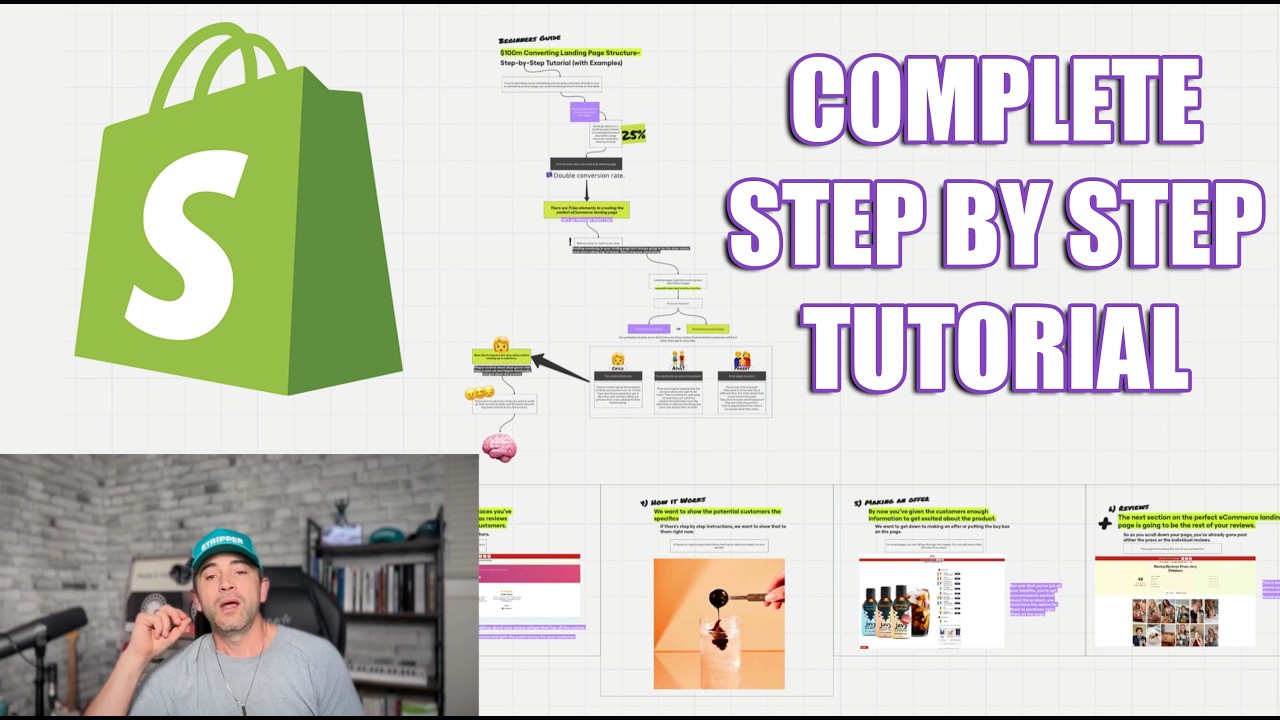
The product page is the most important part of the entire store. This is where conversion decisions are made.
A high-converting product page includes:
Strong product title (benefit-focused, not generic)
High-quality images and videos
Clear problem-solution explanation
Bullet-point benefits
Customer reviews and social proof
Simple pricing structure
Strong call-to-action button
The focus should always be on benefits, not technical specifications.
Customers don’t buy products—they buy results.
Trust Building System (Critical for Conversions)
Trust is one of the biggest factors in e-commerce success. Without trust, even good products fail.
A strong store builds trust using:
Verified reviews (with images if possible)
Money-back guarantee
Secure payment badges
Clear shipping information
Transparent return policy
Trust elements reduce hesitation and increase purchase confidence.
If a customer feels unsafe, they will not buy—no matter how good the product is.
Checkout Optimization (Reducing Abandonment)
Checkout is where many sales are lost.
A high-converting checkout system must be:
Simple
Fast
Distraction-free
Avoid unnecessary steps or form fields.
Important optimization points:
- multiple payment options
- guest checkout option
- clear pricing (no hidden fees)
- fast loading speed
The smoother the checkout, the higher the conversion rate.
Mobile Optimization (Major Revenue Factor)
Most e-commerce traffic comes from mobile devices. If your store is not mobile-optimized, you lose most customers.
Mobile optimization includes:
Easy scrolling
Large readable text
Fast loading pages
Clickable buttons with proper spacing
Simple navigation menu
A mobile-first store design always performs better than desktop-only design.
Psychological Triggers in Store Design
High-converting stores use psychology to influence buying decisions.
Key triggers include:
Scarcity → limited stock or offers
Social proof → reviews and user content
Authority → professional branding
Curiosity → engaging product presentation
Urgency → time-sensitive offers
These triggers guide customers toward faster decisions.
Product Page Media Strategy
Visual content is more powerful than text in e-commerce.
A strong product page uses:
Short product videos
Lifestyle images
Before-and-after visuals
Demonstration clips
Customers need to “see” the product in action to trust it.
Static images alone are not enough for modern conversion standards.
Final Thoughts
A high-converting Shopify store is not built through design—it is built through structure.
Every section of the store has a purpose:
- homepage builds interest
- product page builds desire
- trust elements remove doubt
- checkout closes the sale
When all these parts work together, conversion rates increase naturally.
The real secret of successful e-commerce stores is simplicity + clarity + trust.
FAQ (Frequently Asked Questions)
1. What is the most important part of a Shopify store?
The product page is the most important because it directly impacts sales.
2. How many products should a store have?
Start with a few strong products instead of many random ones.
3. Why do most Shopify stores fail?
Because they lack structure, trust elements, and clear messaging.
4. Do I need a premium theme?
Not necessary, but a clean and fast theme improves conversions.
5. How important is mobile optimization?
Extremely important, since most traffic comes from mobile users.